
How to Buy Cryptocurrency Safely Step-by-Step: A Beginner's Guide
Updated: Jul 26
The decision to invest in cryptocurrency is often driven by opportunities that arise. Digital assets are of interest due to the rapid pace of innovation and price movement in this sector. It is recommended that initial purchases are made in a methodical and considered manner, rather than impulsively. Crypto markets operate on a 24/7 basis. Be aware that prices can change significantly within minutes. A calm and informed mindset reduces the likelihood of rushed decisions.
For first-time investors, the safest way to Buy Cryptocurrency is to begin with a small amount, use a trusted exchange, and verify each step before confirming payment.
Global participation continues to expand. As more people enter the market, many search online for the best way to Buy Cryptocurrency without exposing themselves to scams, hidden fees, or avoidable platform risks. A structured process helps reduce mistakes and builds confidence from the first purchase onward.
Industry estimates indicate that more than 560 million people worldwide owned cryptocurrency in 2025. New buyers enter the market daily. Many users begin by making small purchases while familiarising themselves with the functionality of the platforms.
It is important to note that safety is a priority for us, and this begins before any transaction takes place. It is imperative that buyers are aware that cryptocurrency transfers are irreversible. Once submitted, these funds cannot be recalled by the bank or the relevant authority. Preparation is therefore essential. A thoughtful approach is recommended to help protect capital and build confidence during the initial purchase.
Key Highlights
Buying cryptocurrency requires a methodical approach, starting with selecting a trusted exchange and verifying identity.
Always use two-factor authentication and verify platform authenticity to protect against fraud and scams.
Transaction verification is crucial; double-check transaction details to avoid irreversible mistakes.
Beginners should start with small purchases and prioritize secure wallet storage for long-term assets.
Avoid emotional decision-making and focus on informed, disciplined strategies to reduce risk in the volatile crypto market.
How to Buy Cryptocurrency Step-by-Step
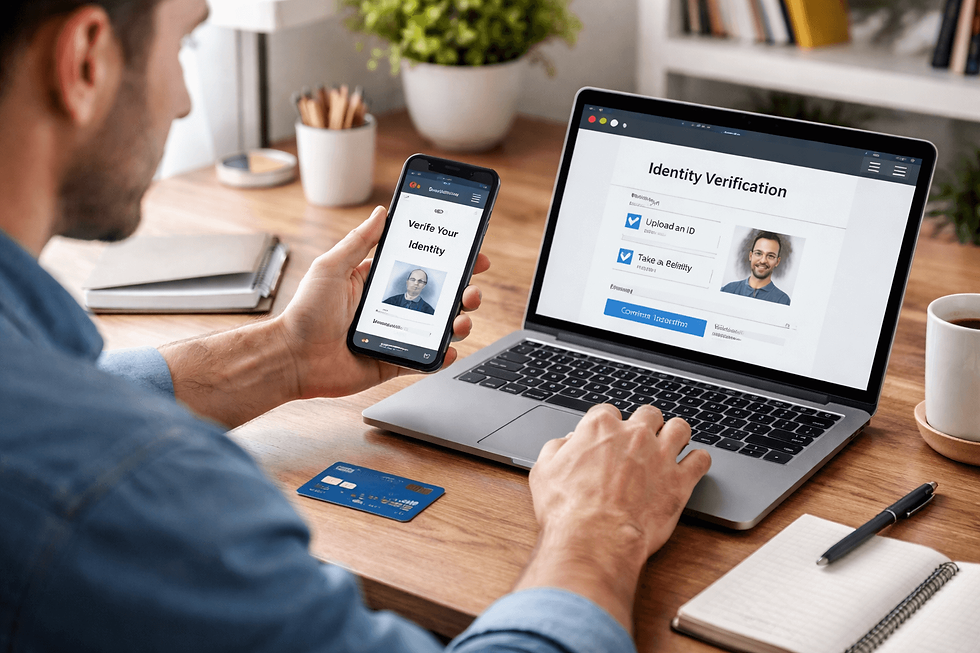
To understand how to purchase cryptocurrency, it is first necessary to select a reliable entry point. The majority of initial purchases are made through regulated crypto exchanges or licensed financial applications. These platforms facilitate connections between buyers and digital asset markets. The company is responsible for identity verification, payment processing and transaction records.
Before you Buy Cryptocurrency, it is wise to compare exchange fees, payment options, identity verification rules, and withdrawal policies. This quick comparison can prevent delays and help buyers choose a platform that matches their budget and security needs.
The initial step is to create an account. In order to meet compliance standards, users are required to submit the relevant identification details. Verification is an essential process that protects both the buyer and the platform. Once approved, the user then links a payment method. Common options include bank transfer, debit card, or payment networks supported by the platform.
Following the funding of the account, buyers are invited to select the cryptocurrency they wish to purchase. Major assets such as Bitcoin or Ethereum are typically listed first. The platform displays the current market price. Prior to execution, buyers confirm the transaction amount. During this stage, fees are shown to ensure transparency and avoid any unexpected costs.
Execution of a market purchase option occurs instantly. The asset balance is updated within the account dashboard. Should buyers wish to maintain control over their assets, they have the option of keeping them on the platform or transferring them to a personal wallet.
Industry tracking shows that centralized exchanges process tens of billions of dollars in daily crypto purchases, reflecting how common this process has become.
Each step in the process should be completed deliberately. It is imperative that verification screens, payment confirmations and final transaction details are reviewed carefully before approval.
Buying Crypto for Beginners: Safety Checklist

Purchasing crypto assets is a process that requires more consideration than simply clicking a purchase button. Safety practices are in place to safeguard funds against avoidable errors and fraud. It is imperative that new buyers adopt a verification-based approach to every transaction.
Anyone planning to buy Cryptocurrency should also confirm that the platform uses two-factor authentication, publishes clear fee disclosures, and has a visible support channel.
The first checkpoint is platform authenticity. It has been reported that fraudulent applications and websites are in circulation, designed to capture users' login credentials. It is imperative that buyers confirm official branding and domain names before entering their personal data. It is recommended that software is only downloaded from recognised app stores in order to reduce risk.
Buyers should review the FTC’s guide to cryptocurrency scams before making their first purchase to better understand common fraud tactics.
It is imperative to ensure the protection of accounts. Strong passwords and multi-factor authentication create additional security layers. These safeguards prevent unauthorised access, even in the event of credential exposure.
Payment confirmation is a matter that requires your attention. It is imperative that buyers verify the currency amounts, fees, and wallet addresses when transferring funds. Once completed, crypto transactions cannot be reversed.
Digital asset fraud continues to rise. In 2024, authorities reported losses of over $5.6 billion due to cryptocurrency-related fraud, with a significant proportion of these losses resulting from social engineering and phishing attacks.
The FBI’s 2023 Cryptocurrency Fraud Report highlights how costly crypto-related fraud has become and reinforces why verification matters at every step.
It is imperative to prioritise safety awareness. This is an essential part of responsible crypto participation.
Choosing a Platform and Payment Method
The selection of the most appropriate platform is pivotal in ensuring both safety and cost efficiency. Established exchanges invest heavily in cybersecurity and compliance. These platforms are responsible for publishing operational disclosures and maintaining customer support infrastructure.
It is recommended that buyers thoroughly examine a platform's security history. Exchanges that store the majority of customer funds in offline reserves mitigate risk by reducing exposure to remote attacks. Transparent reserve reporting has become a prevalent industry practice in the wake of previous platform failures.
Note that the selected payment method affects both fees and processing speed. Bank transfers often provide lower costs but require settlement time. Card payments are processed immediately, but it should be noted that higher fees may apply. It is recommended that buyers compare transaction costs prior to confirming a purchase.
Regional regulations also influence availability. Note that certain payment options may vary according to the jurisdiction. Compliance frameworks are essential for the effective operation of platforms and the protection of customers.
It is encouraging to see that global exchange participation is expanding in line with regulatory oversight. Market observers have noted that regulated platforms account for the majority of retail crypto purchases.
Careful consideration of the platform selection process facilitates a secure initiation into the crypto markets. Check Forbes Advisor’s guide on how to buy cryptocurrency when comparing beginner-friendly exchanges and payment methods.
Verifying Transactions

In the final stage of the cryptocurrency purchase process, verification is undertaken to ensure the safety and security of the transaction. It is recommended that buyers treat each confirmation screen as a checkpoint. A thorough review of details is essential to prevent costly mistakes.
Transaction summaries display the following information: purchase amount, asset type, network fees and final totals. It is incumbent on the purchaser to ensure that the information corresponds with their intentions. Be aware that minor typing errors can result in the permanent redirection of funds.
When transferring assets to a personal wallet, address verification is of the utmost importance. Wallet strings are prone to character errors. Many buyers elect to send a small sample for testing to confirm accuracy.
Blockchain networks process transactions based on cryptographic confirmation. Once validated, records become permanent. This immutability ensures integrity but removes reversal options.
Network congestion can have a detrimental effect on confirmation times. During periods of peak activity, settlement times may be longer. It is recommended that buyers monitor status indicators rather than repeating transactions.
Careful verification is an essential part of any business, as it can help to reduce avoidable financial loss. It reinforces disciplined trading habits early in a buyer's experience.
Avoiding Common Mistakes for Beginner Buyers
First-time buyers often encounter avoidable obstacles. Emotional purchasing is a widespread error. Sudden price surges can create a sense of urgency. It is important to note that rushed decisions can increase exposure to volatility.
Another mistake to avoid is investing more than one can afford to lose. The crypto markets continue to demonstrate an element of unpredictability. Responsible budgeting is key to protecting financial stability during periods of price volatility.
A failure to adequately prioritise security can be just as problematic. Weak passwords, shared credentials, or unsecured devices leave organisations vulnerable to unauthorised access. It is recommended that buyers treat crypto accounts as high-value financial portals.
Impatience can also be a contributing factor. Attempting complex trades without understanding platform tools may lead to execution errors. Those new to the field will find that starting with simple purchase orders is an effective way to get up to speed.
Market hype can often lead to unrealistic expectations. In order to participate in a sustainable manner, it is essential to make decisions that are based on careful consideration and analysis, rather than on speculation.
Industry analysts estimate that behavioural mistakes contribute to a significant proportion of retail trading losses. Education and patience continue to be effective defences.
Avoiding these mistakes is key to ensuring long-term participation.
See Also:
What to Do After Purchase
It is important to remember that the period after a purchase is just as crucial as the initial transaction itself. It is the responsibility of the purchaser to determine the most appropriate location for asset storage and to establish a monitoring system.
Leaving funds on an exchange provides a high level of convenience for active trading. However, personal wallets offer greater custody control. Many investors choose to transfer their long-term holdings into secure wallets in order to minimise their exposure to market fluctuations.
The maintenance of accurate and comprehensive records is instrumental in ensuring the effective organisation of financial matters. It is recommended that buyers maintain transaction logs for the purposes of tax reporting and portfolio tracking. Accurate documentation simplifies compliance obligations.
Security maintenance is provided on a ongoing basis following the initial purchase. It is recommended that passwords be updated, alerts enabled and account activity reviewed, as this helps to detect irregular behaviour early.
Market monitoring should remain balanced. Frequent price monitoring has been shown to elicit emotional responses. A disciplined strategy focuses on long-term objectives rather than short-term fluctuations.
Crypto ownership carries responsibility. Post-purchase habits have been shown to influence asset safety and financial outcomes.
Summary
In order to purchase cryptocurrency in a secure manner, it is essential to undertake the necessary preparation, verification, and exercise discipline. The purchase process is straightforward, but irreversible transactions require careful attention. Those new to the field will find that structured safety habits and platform awareness are beneficial.
Crypto adoption continues to expand on a global scale. It is estimated that millions of new participants enter digital markets each year. Implementing responsible buying practices is an effective strategy for mitigating risk and enhancing confidence.
Every aspect of the ownership experience, from platform selection to transaction verification and post-purchase security, is designed to ensure a seamless and satisfying experience for customers. Those who methodically approach crypto investing are better positioned to protect their funds and navigate market volatility.
Those who want to Buy Cryptocurrency successfully should focus on preparation, patience, and security rather than speed. A careful buying process lowers risk and helps new investors enter the crypto market with better control and awareness. Ensuring safe participation begins with informed decisions and continues through consistent security awareness.

AUTHOR
Jan Matula
Graduate of EUBA University, experienced Forex and Stocks trader since 2008, early Bitcoin investor and crypto trader since 2021.
This content is for informational purposes only and should not be taken as solicitation, recommendation, endorsement or investment advice. It is crucial for you to conduct your own research and due diligence to make informed decisions, as any investment will be your sole responsibility. Please review our disclaimer and risk warning.


